
Landscape Design · Tavira
We design and build pathways that connect spaces, define circulation, and contribute to the character of the garden — using materials and forms that suit the scale and style of the property.
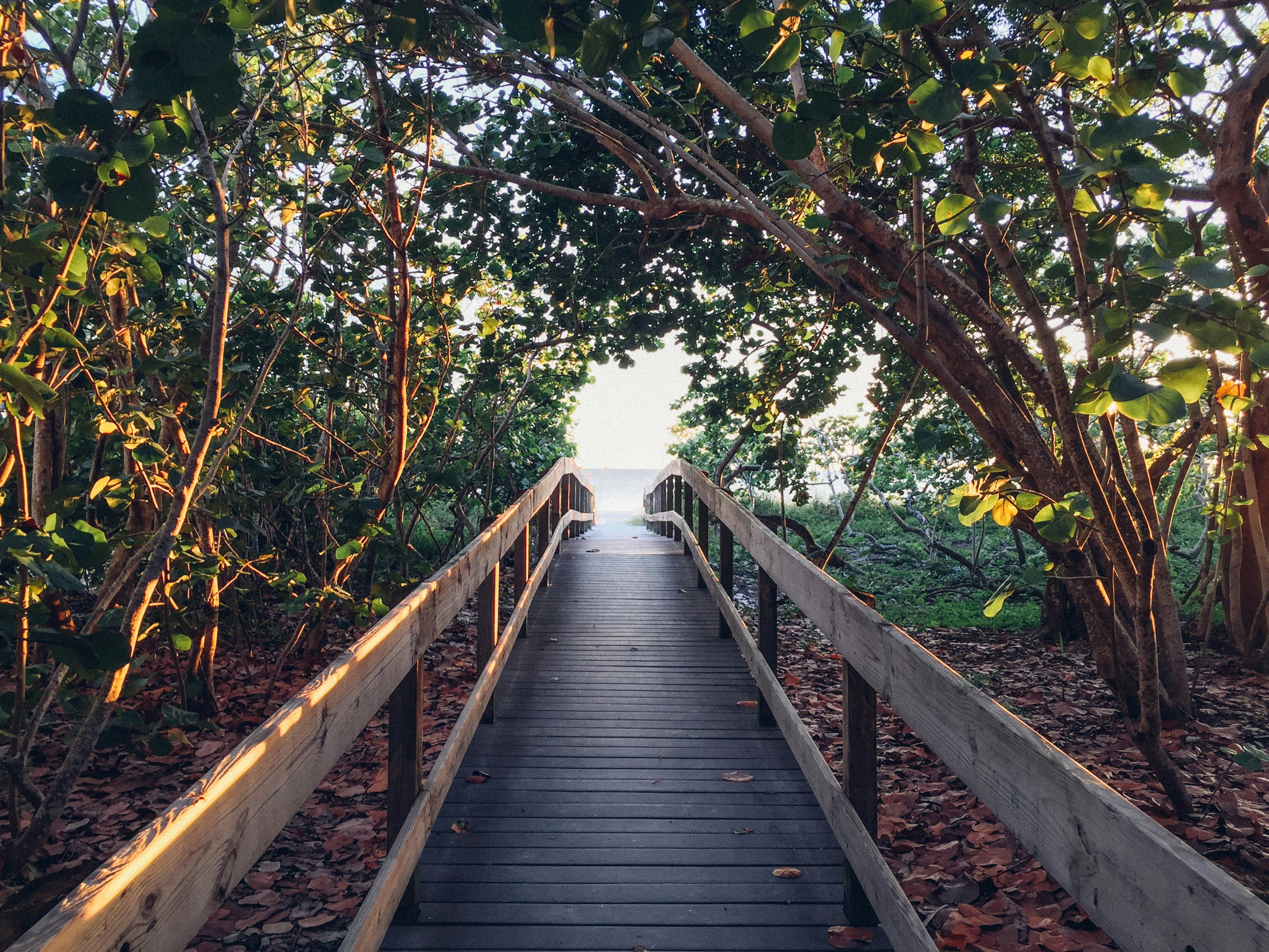
Pathways are one of the most functional elements in any garden, yet they are often treated as an afterthought. A well-designed path does more than direct foot traffic — it shapes the experience of moving through a space, reveals views, defines planting areas, and contributes significantly to the overall character of the landscape.
We approach pathway design as an integral part of the broader landscape composition. The route, width, material, edge detail, and any associated lighting are considered together to create a result that feels deliberate and complete — not simply a line connecting two points.
Our pathway service covers all stages from initial route planning through to completed installation.
Determining path alignment in relation to the garden layout, key destination points, views, and existing planting — drawn to scale.
Choosing appropriate surfacing — stone, gravel, sett, stepping stone, or bound surface — with attention to slip resistance and longevity.
Specification of path edging — brick, steel, stone, or timber — to retain surfacing material and create a clean boundary with planting areas.
Low-level path lighting designed to mark the route, improve safety after dark, and add atmosphere to the garden in the evening.
Preparation of base layers, installation of surfacing and edging, and final compaction and jointing to produce a durable, even finish.
Softening path edges with low planting — ground cover, grasses, or fragrant herbs — to blend the path naturally into the wider garden design.
A structured approach that considers circulation alongside planting and other landscape elements.
We walk the site with you to understand how it is currently used and where improved connections would benefit the garden most.
A scaled plan showing the proposed path routes, widths, surface types, edge treatments, and any associated lighting or planting.
Samples of surface and edging materials are provided for review. Once approved, quantities are confirmed and materials ordered.
The path line is marked out, excavated, and prepared with the correct sub-base depth and compaction for the chosen surface material.
Surfacing is laid and compacted, edges are installed and aligned, and any jointing or binding material is applied to finish the surface.
Any path-edge planting is installed, lighting is connected if included, and the completed path is inspected before handover.
Natural stone and compacted gravel perform particularly well in the Algarve — both handle high temperatures and intermittent rain without deteriorating. Porcelain and ceramic tiles are also durable and easy to maintain. We advise against certain materials that can become excessively hot underfoot or slippery when wet and discuss the trade-offs with you during material selection.
A primary path used for everyday circulation is typically 90 cm to 1.2 m wide — wide enough for two people to walk side by side. Secondary paths can be narrower, around 60 to 75 cm. The right width depends on the scale of the garden and how the path is intended to be used, and we advise on this during the design stage.
Yes — pathway installation is one of the most common additions we make to established gardens. The key is ensuring the new paths integrate well with existing planting and do not disrupt established root systems. We assess this carefully before any excavation takes place.
Low-level path lighting can be integrated into a pathway project. We specify and design the lighting positions as part of the pathway layout, and either carry out installation or coordinate with an electrician for the electrical connection. Lighting is specified to be low energy and appropriate for outdoor use.
A straightforward residential pathway project typically takes 2 to 5 days on site, depending on the total length and surface type. More complex layouts with varied materials, integrated lighting, or significant level changes will take longer. We confirm the expected programme before work begins.
Contact us to discuss your pathway project. We will visit the site and produce a design proposal tailored to your landscape.